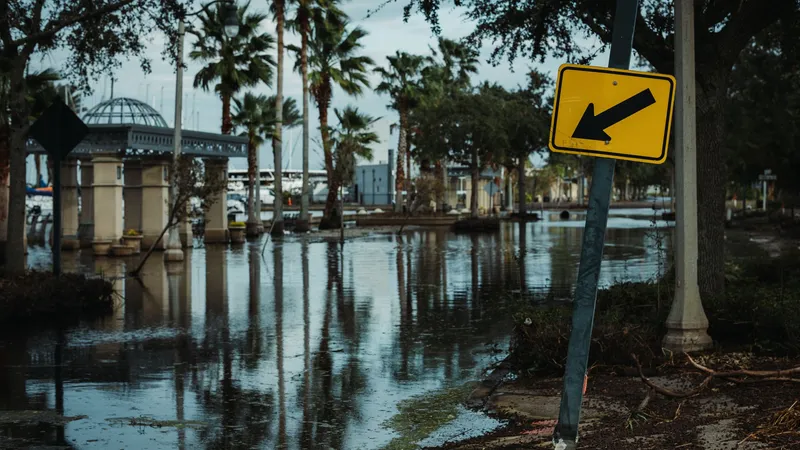
Clearwater has two very different kinds of water damage. On the barrier islands (Clearwater Beach, Island Estates and Sand Key), the big threat is Gulf storm surge: during Hurricane Helene in September 2024, the tide gauge at Clearwater Beach recorded its highest water level on record, according to the National Hurricane Center. On the mainland, most damage starts smaller, with a burst pipe, an AC drain line that backs up, a roof leak in a summer downpour, or a leak from the condo unit upstairs. Whatever the source, the first hours look much the same. Here is what to do.
1. Make it safe
- If water reached outlets, appliances or the electrical panel, stay out of the water and do not touch anything electrical. Have the power shut off by Duke Energy or an electrician before you go in.
- After saltwater surge, assume submerged wiring, outlets, water heaters and AC equipment are damaged even if they seem to work. Salt keeps corroding after the water drains, so have them checked before turning them back on.
- Never walk or drive through floodwater. It can hide open drains, debris and live wires, and surge water is contaminated.
- If you smell gas, leave and call the gas company or 911 from outside.
2. Stop the water if it is still coming in
- Plumbing leak: close the main water shutoff. In most Clearwater single-family homes it is near the meter by the street or where the line enters the house. Condo units often have a shutoff inside the unit, near the water heater or in a utility closet.
- AC overflow: turn the system off at the thermostat and empty the drain pan. Our AC drain line guide covers clearing the line.
- Roof leak: catch the drip with a bucket on a towel and keep people out from under a sagging ceiling. Do not go on the roof in the rain. See ceiling leaking after rain.
- Water coming from another unit: tell the condo association or property manager right away so they can find and stop the source.
3. Document before you clean up
- Photograph and video every room, the waterline on walls, damaged flooring and belongings, and the outside of the building.
- Write down when the water started and where it came from: rising water from outside, rain through the roof or windows, or a pipe or appliance inside. That is what decides which policy applies.
- Keep damaged items, or photograph them clearly, until your adjuster says you can throw them away.
4. Report the claim to the right policy
- Storm surge and rising water are flood, covered only by a flood policy (NFIP or private), not standard homeowners insurance. See flood vs water damage claims.
- A sudden pipe burst or appliance leak is usually a homeowners (or condo HO-6) claim. Long, slow leaks are often excluded.
- Wind damage that let rain in is usually a homeowners claim, often with a separate hurricane deductible for named storms.
- In a condo, the association's master policy usually covers the building and your HO-6 covers your unit's interior and contents, but your condo documents decide the details. Our guide to who pays for a condo leak in Florida walks through it.
Report as soon as you can and ask what you are allowed to do before the adjuster visits. The Florida water damage claim guide covers the steps.
5. Start drying within a day or two
Once it is safe and documented, remove standing water, pull up wet rugs, move furniture off wet floors and run the AC or a dehumidifier. The EPA advises drying wet materials within 24 to 48 hours to help prevent mold, and Pinellas County humidity makes that window tight. Drywall, insulation and carpet pad soaked by surge or floodwater usually need to come out. The first 24 hours after water damage checklist covers the order.
If you already see mold, or the area stayed wet for more than a couple of days, read our mold remediation guide and emergency mold removal in Florida.
Clearwater homes: what to watch for
- Older mainland homes. Many Clearwater neighborhoods have homes that are several decades old. Aging supply lines, galvanized or cast-iron pipes and older roofs are common leak sources. If a pipe bursts, shut off the main first.
- Raised homes. Some older homes sit on raised foundations. After any flooding, check the crawlspace for standing water and wet insulation under the floor.
- Beach condos. Wind-driven rain through sliding doors and windows is a common source in Gulf-front units, and water from one unit often reaches the units below.
- AC systems. Air handlers in closets and attics run almost all year here, and a clogged condensate line can overflow quietly for days.
Before you rebuild after a flood
If your home is in a FEMA high-risk flood zone, the City of Clearwater may treat it as substantially damaged when repairs cost roughly half the building's pre-storm value (the city's own definition uses 49 percent). Then the home generally has to be brought up to current flood rules, which can mean elevating it. Check with the city's Planning and Development Department before major repairs, and keep every repair estimate and receipt.
Local resources
- Pinellas County's Know Your Zone lookup shows your hurricane evacuation zone (A through E). Evacuation zones are not the same as flood zones, so check both.
- The City of Clearwater has an interactive flood zone map where you can look up your property's flood zone, base flood elevation and any elevation certificate on file.
- Sign up for Alert Pinellas for emergency alerts, and watch Pinellas County Emergency Management for shelter and debris updates after a storm.
- NFIP flood policies usually have a 30-day waiting period before coverage starts, so buy well before a storm is forecast.
When to call for help
Call if water got into walls, floors or the AC system, if surge or floodwater came inside, or if the cleanup is more than you can safely handle. If you want a professional to take over, call (813) 574-3203 to be connected with a local water damage restoration company. The call is free; any work is agreed directly with the company.
See our Clearwater water damage page for local flood risks and storm history, plus nearby St. Petersburg, Tampa and Bradenton. The water damage restoration overview explains what the drying and repair process involves.
Sources: National Hurricane Center, Hurricane Helene report; Pinellas County flood information and Know Your Zone; City of Clearwater floodplain management and substantial damage information; U.S. EPA mold guidance; FEMA NFIP. Photo: flooded waterfront street after a Florida hurricane, by Connor Scott McManus, Pexels.
General information, not legal or insurance advice. Check your policy and official sources.
Frequently asked questions
What should I do first after water damage in my Clearwater home?
Make it safe (stay away from water near electricity and have power shut off if outlets or the panel got wet), stop the source if you can, photograph everything before cleanup, report the claim, and start drying within 24 to 48 hours to limit mold.
Is storm surge damage on Clearwater Beach covered by homeowners insurance?
No. Storm surge and rising water are flood and are covered only by a flood insurance policy (NFIP or private). Wind or rain damage through a damaged roof or window is usually a homeowners claim, often with a separate hurricane deductible.
Who pays when a Clearwater condo leaks into my unit?
It depends on where the water came from and what your condo documents say. Generally the association master policy covers the building and your HO-6 policy covers your unit interior and belongings. Tell the association right away and photograph the damage.
How do I find my flood zone in Clearwater?
The City of Clearwater has an interactive flood zone map where you can search your address for flood zone, base flood elevation and elevation certificates on file. Pinellas County also has a Know Your Zone lookup for hurricane evacuation zones, which are different from flood zones.
What is the 50 percent rule in Clearwater?
If a home in a high-risk flood zone is substantially damaged, meaning repairs cost about half or more of the building value (Clearwater uses 49 percent), it generally has to be brought up to current flood rules, which can mean elevating it. Check with the city before major repairs.
Can saltwater-flooded wiring and appliances be reused?
Saltwater keeps corroding metal after it drains, so wiring, outlets, water heaters and AC equipment that were underwater should be checked by a licensed electrician or technician before being turned back on, even if they seem to work.
More guides
- The first 24 hours after water damage
- How a Florida water damage insurance claim works
- What affects the cost of water damage restoration
- How to choose a water damage restoration company
- Does homeowners insurance cover water damage in Florida?
- Flood vs. water damage claims in Florida (NFIP explained)
- Mold after a hurricane: a Florida homeowner's guide
- Water heater burst or leaking: what to do right now
- Ceiling leaking after rain: what to do
- Washing machine flooded the floor: what to do
- AC drain line leaking: stop the water damage
- Slab leak signs in Florida homes
- Burst pipe: what to do in the first hour
- Sewage backup: cleanup safety and what to do
- Roof leak during a hurricane or tropical storm
- Emergency Mold Removal in Florida: What to Do Right Now
- Flooded House After a Storm in Tallahassee: First Steps
- Water Damage in Daytona Beach, FL: First Steps for Homeowners
- Flooding in Palm Bay, FL: What to Do First
- Flood Cleanup in St. Petersburg, FL: First Steps for Homeowners
- Flood Damage in Ocala, FL: Cleanup and Repair First Steps
- Emergency Flood and Storm Cleanup in Punta Gorda, FL: What to Do First
- Flood in St. Augustine, FL: What to Do First and Where to Find Emergency Resources
- Flood or Water Damage in Pompano Beach, FL: Emergency Resources and First Steps
- Water Damage in Your Florida Home? Start Here
- Condo Leak in Florida: Who Pays, the Owner or the Association?
- Mold After an Everyday Leak: How Fast It Starts in a Florida Home
- Water Damage Checklist for Florida Renters
- A Simple Leak Prevention Checklist for Florida Homes
- Florida Flood Risk Explained: Storm Surge, Heavy Rain and What You Can Check
- A Leak Response Plan for Florida HOA and Condo Boards
- Florida Hurricane Prep Checklist for Water Damage