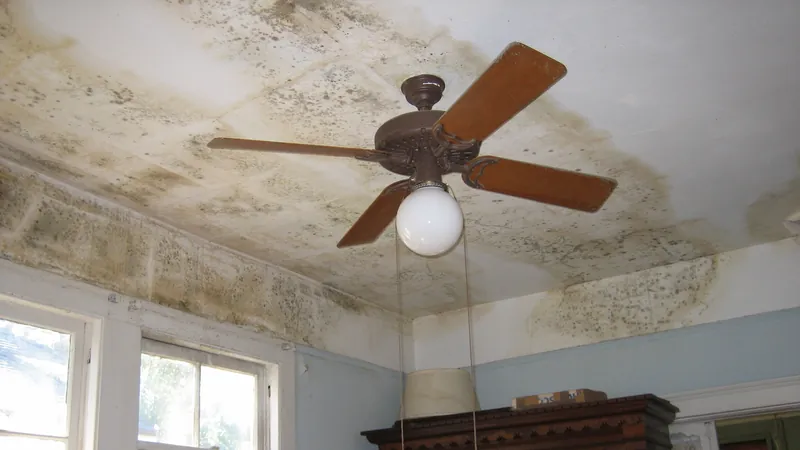
Finding mold in a Florida home is unsettling, especially when it shows up fast after a leak, a storm or a few humid weeks with the AC off. Most mold is not a 911-level emergency, but some situations do call for quick action. This guide covers how to tell the difference, what to do in the first few hours, and what the words remediation, mitigation and abatement actually mean.
If you already know you want a professional, start with our mold remediation overview: it explains what the work involves and what to ask before anyone starts.
When mold is an emergency
Treat it as urgent if any of these apply:
- Someone in the home is reacting. Wheezing, worsening asthma, or anyone who is immune-compromised, recovering from surgery, very young or elderly. The Florida Department of Health advises that people with asthma, allergies or weakened immune systems should not clean up mold themselves and should stay out of the affected area.
- It is large or spreading. Florida Health uses roughly 10 square feet (about a 3 ft by 3 ft patch) as the point where most homeowners can still handle cleanup themselves. Beyond that, or on several walls, professional help is the usual advice.
- There is an active water source. A leak, a flooded room or a dripping AC line will keep feeding growth until the water stops.
- It is in the HVAC system. Mold in ducts or the air handler can spread spores through the whole house. Florida Health advises not running a system that was flooded until it has been checked and cleaned.
- It followed sewage or floodwater. Then contamination, not just mold, is the problem.
What to do in the first hours
- Stop the water. Close the shutoff for the leaking fixture or the main valve, clear a clogged AC drain line, or put a tarp or bucket under a roof leak. Mold cannot be fixed while it is still getting wet.
- Keep people and pets out of the area. Close the door to the room if you can.
- Do not disturb it more than you need to. Scraping, dry-brushing or running a shop vac over dry mold puts spores into the air. Avoid fans blowing across visibly moldy areas.
- Photograph everything. Take wide shots and close-ups of the mold, the water source and any damaged belongings before cleanup. Florida Health also suggests photographing items before you throw them away, for insurance.
- Start drying what is still wet. Run the AC or a dehumidifier in the rest of the house. The EPA advises drying wet materials within 24 to 48 hours to help prevent mold growth.
- Call your insurer if there was water damage. Many Florida policies cover mold only when it results from a covered water event, and often with a limit. Report the water damage promptly and ask what your mold coverage is.
Remediation, mitigation and abatement: plain terms
You will see all three words in ads and search results. In practice the industry often uses them interchangeably, but here is what each usually means:
- Mold remediation is the full job: finding the moisture source, containing the area, removing contaminated materials, cleaning what can be saved and drying the structure so mold does not come back. Removing every spore is not realistic; the goal is to return mold to normal background levels.
- Mold mitigation usually means limiting the damage and stopping the spread: fixing the leak, drying, and containing the affected area, often as a first step before full remediation.
- Mold abatement is an older term borrowed from asbestos and lead work. When a company says abatement, it usually means the same thing as remediation. Ask what the work actually includes rather than relying on the label.
- Mold assessment is the inspection and testing side: finding where mold is and why. In Florida, mold assessment and mold remediation are licensed by the Department of Business and Professional Regulation, and you can look up a license holder on the DBPR website.
What you can safely do yourself
For a small patch (under about 10 square feet) on a hard surface, Florida Health's guidance for homeowners is roughly:
- Wear an N95 respirator, goggles without vent holes, and long gloves.
- Scrub hard, non-porous surfaces with detergent and water, then dry them completely.
- Never mix bleach with ammonia or other cleaners; it releases toxic gas.
- Do not paint or caulk over mold; it will grow through.
- Do not use ozone generators to treat mold; health agencies warn that ozone harms the lungs.
- Throw away porous materials that stayed wet or are moldy, such as carpet pad, ceiling tiles and drywall that wicked up water.
Why Florida homes get mold so fast
High humidity most of the year, frequent summer storms and AC systems running non-stop mean materials that get wet often stay damp. A hidden leak behind a wall, an AC drain line backing up into a closet, or a house closed up without power after a hurricane can all produce visible growth within days. For the storm version of this, see mold after a hurricane in Florida; for a leak, see how fast mold grows after a leak.
Before you hire anyone
- Ask what is causing the moisture and how it will be fixed. Removing mold without fixing the water source does not last.
- Ask for a written scope: which materials come out, how the area is contained, and how drying will be checked.
- Ask whether the company doing the assessment is also doing the remediation. Florida law generally does not allow the same person to assess and remediate the same project.
- Check that the license holder on the job is listed with DBPR.
More on picking help: how to choose a restoration company.
When to call for help
Call if the mold covers more than a small patch, there was a leak or flooding behind it, someone in the home is sensitive, or it is in your AC system. If you want a professional to take over, call (813) 574-3203 to be connected with a local water damage restoration company. The call is free; any work is agreed directly with the company.
Read the full mold remediation guide for what the process looks like from start to finish.
Local flood risks, storm history and county resources: Tampa, Orlando, Miami, Jacksonville, Fort Lauderdale, or find your city.
Sources: Florida Department of Health mold guidance; U.S. EPA, A Brief Guide to Mold, Moisture and Your Home; Florida DBPR Mold-Related Services. Photo: mold on a ceiling after storm leaks, by Infrogmation, Wikimedia Commons, CC BY 3.0, cropped.

If water sat for more than a day or two, read our guide to mold remediation in Florida for what the work involves, what drives the cost and how insurance treats it.
General information, not legal or insurance advice. Check your policy and official sources.
Frequently asked questions
Is mold an emergency?
Usually not in the 911 sense, but it is urgent if someone in the home has asthma, allergies or a weakened immune system, if the growth is large (more than about 10 square feet) or spreading, if there is still an active leak, or if mold is in the AC system.
What is the difference between mold remediation, mitigation and abatement?
Remediation is the full process of fixing the moisture source, containing, removing and cleaning. Mitigation usually means stopping the damage and the spread, often as a first step. Abatement is an older term that companies often use to mean the same as remediation. Ask what the work includes rather than relying on the word.
Can I remove mold myself in Florida?
For a small area under about 10 square feet on hard surfaces, the Florida Department of Health says most homeowners can clean it with detergent and water while wearing an N95 respirator, goggles and gloves. Larger areas, mold in the HVAC system, or anyone with health concerns are reasons to get professional help.
Should I use bleach on mold?
Detergent and water work for hard surfaces. If you do use bleach, never mix it with ammonia or other cleaners, and know that it does not fix porous materials like drywall or carpet pad, which usually need to be removed.
Does homeowners insurance cover mold in Florida?
Many Florida policies cover mold only when it results from a covered water event, such as a sudden pipe burst, and often with a dollar limit. Mold from long-term leaks or humidity is commonly excluded. Check your policy and report water damage promptly.
Do mold companies in Florida need a license?
Yes. Florida licenses mold assessors and mold remediators through the Department of Business and Professional Regulation, and you can look up a license on the DBPR website.
More guides
- The first 24 hours after water damage
- How a Florida water damage insurance claim works
- What affects the cost of water damage restoration
- How to choose a water damage restoration company
- Does homeowners insurance cover water damage in Florida?
- Flood vs. water damage claims in Florida (NFIP explained)
- Mold after a hurricane: a Florida homeowner's guide
- Water heater burst or leaking: what to do right now
- Ceiling leaking after rain: what to do
- Washing machine flooded the floor: what to do
- AC drain line leaking: stop the water damage
- Slab leak signs in Florida homes
- Burst pipe: what to do in the first hour
- Sewage backup: cleanup safety and what to do
- Roof leak during a hurricane or tropical storm
- Flooded House After a Storm in Tallahassee: First Steps
- Water Damage in Clearwater, FL: What to Do First
- Water Damage in Daytona Beach, FL: First Steps for Homeowners
- Flooding in Palm Bay, FL: What to Do First
- Flood Cleanup in St. Petersburg, FL: First Steps for Homeowners
- Flood Damage in Ocala, FL: Cleanup and Repair First Steps
- Emergency Flood and Storm Cleanup in Punta Gorda, FL: What to Do First
- Flood in St. Augustine, FL: What to Do First and Where to Find Emergency Resources
- Flood or Water Damage in Pompano Beach, FL: Emergency Resources and First Steps
- Water Damage in Your Florida Home? Start Here
- Condo Leak in Florida: Who Pays, the Owner or the Association?
- Mold After an Everyday Leak: How Fast It Starts in a Florida Home
- Water Damage Checklist for Florida Renters
- A Simple Leak Prevention Checklist for Florida Homes
- Florida Flood Risk Explained: Storm Surge, Heavy Rain and What You Can Check
- A Leak Response Plan for Florida HOA and Condo Boards
- Florida Hurricane Prep Checklist for Water Damage