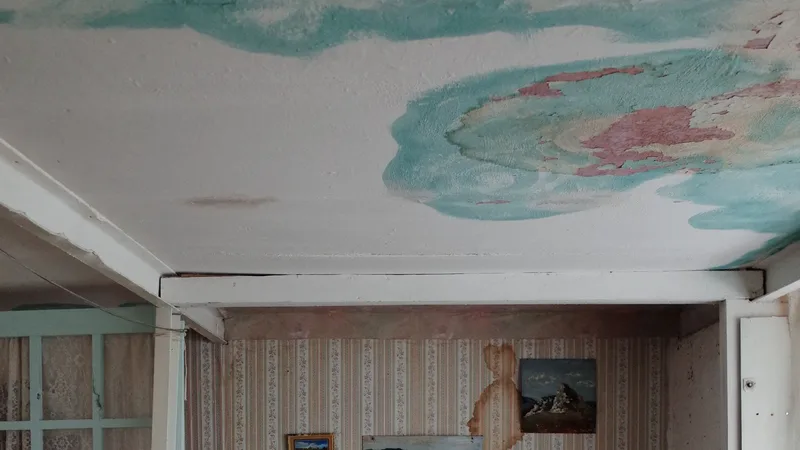
If you rent, a leak can feel extra stressful. It's not your building. But it is your home, and your things.
This checklist covers what renters can do, and what Florida's landlord-tenant law says. That law is Part II of Chapter 83 of the Florida Statutes.
Right away
1. Stay safe.
If water is near outlets or cords, stay out of it. Turn off power at the breaker only if you can reach it while standing somewhere dry. If you smell gas, leave and call for help from outside.
2. Stop the water if you can.
Close the shutoff valve under the sink or behind the toilet. If it's a bigger leak, close the main water valve. Ask your landlord where it is when you move in, so you're not guessing later.
3. Tell your landlord or manager.
Call or text them right away. Then follow up in writing (more on that below).
4. Take photos and video.
Photograph the leak, the wet areas and your damaged things. Do this before you clean up. Write down the date and time.
5. Protect your belongings.
Move your things out of the wet area. Lift furniture off wet floors.
Put it in writing
A phone call is fast. Writing is proof.
Send your landlord a dated note that says:
- What happened
- When you found it
- Where the damage is
- What you need fixed
Keep a copy. Florida law gives certain rights to tenants who give written notice. Read on for why.
What Florida law says landlords must do
Section 83.51 of the Florida Statutes covers the landlord's duty to maintain the home. In general, the landlord must follow building, housing and health codes. Where there are no such codes, the law lists things the landlord must keep in good repair, including the roof, walls and other structure, and the plumbing in reasonable working order.
Your lease can also include terms about repairs.
If the landlord doesn't fix it
Section 83.56 says that if the landlord materially fails to comply with these duties within 7 days after getting written notice from the tenant, the tenant may be able to end the lease. The notice must say what's wrong and that you intend to end the lease because of it.
There are details and conditions in this law. Read it, and get advice before you act on it.
Section 83.60 also deals with withholding rent, and it has strict rules. Don't stop paying rent without understanding them first.
If the home becomes hard to live in
Section 83.63 covers "casualty damage." That means damage from something like a storm or a burst pipe, not caused by the tenant's wrongful acts or negligence.
If the damage makes it much harder to live there, the law says the tenant may end the lease and move out right away. Or the tenant may move out of just the damaged part, and the rent goes down by the fair rental value of that part.
Your belongings and renters insurance
Your landlord's insurance usually covers the building, not your stuff. A renters policy is what usually covers your belongings. If you have one, report the damage and get a claim number.
Keep receipts for anything you have to replace or any place you have to stay.
Mold
The EPA says drying wet materials within 24 to 48 hours usually keeps mold from growing. If your landlord is slow to dry things out, document it. Take dated photos every day. See my hurricane mold guide.
When you move out
Section 83.49 covers deposits. If the landlord doesn't plan to keep any of your deposit, the law says they must return it within 15 days after the lease ends. If they plan to make a claim on it, they must send written notice within 30 days.
Your photos from the leak can help show what damage was already there and what caused it.
Quick checklist
- [ ] Safe first
- [ ] Water stopped
- [ ] Landlord called
- [ ] Written notice sent, copy kept
- [ ] Photos and video taken
- [ ] Belongings moved
- [ ] Renters insurance called
- [ ] Receipts saved
For drying and safety steps, see my first 24 hours guide.
Need help now?
This is general information, not legal advice. For your situation, read the law and your lease, or talk to a lawyer or legal aid office.
Sources
General information, not legal or insurance advice. Check your policy and official sources.
Frequently asked questions
Who pays for water damage in a Florida rental?
In general, the landlord is responsible for keeping the building and plumbing in good repair under Section 83.51. Your own belongings are usually covered by renters insurance, if you have it.
How do I tell my landlord about a leak?
Call or text right away, then send a dated written notice and keep a copy.
Can I break my lease over water damage?
Possibly. Sections 83.56 and 83.63 describe when a tenant may end a lease. They have conditions, so read them and get advice first.
Can I stop paying rent until it's fixed?
Section 83.60 has strict rules on withholding rent. Don't do it without understanding them.
More guides
- The first 24 hours after water damage
- How a Florida water damage insurance claim works
- What affects the cost of water damage restoration
- How to choose a water damage restoration company
- Does homeowners insurance cover water damage in Florida?
- Flood vs. water damage claims in Florida (NFIP explained)
- Mold after a hurricane: a Florida homeowner's guide
- Water heater burst or leaking: what to do right now
- Ceiling leaking after rain: what to do
- Washing machine flooded the floor: what to do
- AC drain line leaking: stop the water damage
- Slab leak signs in Florida homes
- Burst pipe: what to do in the first hour
- Sewage backup: cleanup safety and what to do
- Roof leak during a hurricane or tropical storm
- Emergency Mold Removal in Florida: What to Do Right Now
- Flooded House After a Storm in Tallahassee: First Steps
- Water Damage in Clearwater, FL: What to Do First
- Water Damage in Daytona Beach, FL: First Steps for Homeowners
- Flooding in Palm Bay, FL: What to Do First
- Flood Cleanup in St. Petersburg, FL: First Steps for Homeowners
- Flood Damage in Ocala, FL: Cleanup and Repair First Steps
- Emergency Flood and Storm Cleanup in Punta Gorda, FL: What to Do First
- Flood in St. Augustine, FL: What to Do First and Where to Find Emergency Resources
- Flood or Water Damage in Pompano Beach, FL: Emergency Resources and First Steps
- Water Damage in Your Florida Home? Start Here
- Condo Leak in Florida: Who Pays, the Owner or the Association?
- Mold After an Everyday Leak: How Fast It Starts in a Florida Home
- A Simple Leak Prevention Checklist for Florida Homes
- Florida Flood Risk Explained: Storm Surge, Heavy Rain and What You Can Check
- A Leak Response Plan for Florida HOA and Condo Boards
- Florida Hurricane Prep Checklist for Water Damage