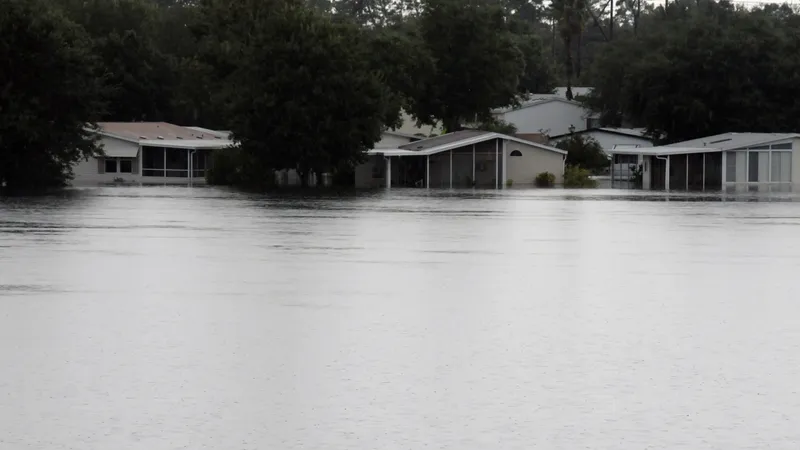
Ocala is far from the coast, so most people here never think about storm surge. Flooding still happens. Marion County notes that the county sits roughly 110 feet above sea level, which makes large-scale flooding unlikely, but that flash flooding is a real concern because many areas are low-lying or close to lakes, ponds and wetlands. A line of strong thunderstorms or a tropical system crossing the state can send water into yards, garages and homes within hours, and the county's karst ground, with its sinkholes and closed basins, means some low spots have nowhere fast for the water to go. If water got into your house, here is what to do first.
1. Make it safe first
- Do not drive or walk through flooded streets, even when the water looks shallow. It can hide washouts, open drains and debris. The National Weather Service rule is simple: Turn Around, Don't Drown.
- If water reached outlets, appliances or the electrical panel, stay out of the water and do not touch anything electrical. Have the power shut off by your electric provider or an electrician before you go back in.
- If you smell gas, leave and call 911 or the gas company from outside.
- Treat floodwater as contaminated. Wear rubber boots and waterproof gloves, keep children and pets away, and wash your hands often.
- Watch for trees and limbs weakened by the storm, and for sagging ceilings where water collected above.
2. Get official flood and emergency information
Road closures, shelters and debris pickup change quickly after a big storm. Use official sources:
- Marion County emergency preparedness (marionfl.org): county storm updates and recovery information. Emergency management in Marion County is run by the Sheriff's Office Emergency Management Division.
- Alert Marion (alertmarion.com): the county's emergency alert system, by text, email or phone, including flooding and severe weather alerts.
- City of Ocala (ocalafl.gov): inside city limits, the city's Stormwater Engineering division publishes flood information, flood protection tips and a flood inundation map, and the Stormwater Operations division maintains the city's drainage retention areas.
- National Weather Service Jacksonville (weather.gov/jax): flood watches and flash flood warnings for Marion County.
- FEMA Flood Map Service Center (msc.fema.gov): the official flood zone for your address.
Many homes with an Ocala mailing address are outside city limits in unincorporated Marion County. Check which government handles your street before you plan on debris pickup, report a drainage problem or apply for repair permits.
3. Document the damage before cleanup
- Photograph and video every room before you move anything: the waterline on walls, floors, cabinets, furniture, appliances, the AC air handler, and the outside of the house and yard.
- Write down when the water came in, how high it rose and where it came from: rising water from the yard or street, rain through the roof, or a drain or septic backup. Insurance treats each one differently.
- Photograph damaged items before they go to the curb, keep a list, and save receipts for fans, dehumidifiers, cleaning supplies and anything else you buy to limit the damage.
4. Report the claim to the right policy
- Rising water from flooded yards, streets, ponds or retention areas is flood, covered only by a flood insurance policy (NFIP or private), not standard homeowners insurance. See flood vs water damage claims.
- Rain through a roof or window damaged by wind or a falling tree is usually a homeowners claim, often with a separate hurricane deductible for named storms.
- Septic or sewer backup is often excluded unless your policy has a water backup endorsement.
- A burst pipe or appliance leak is usually a homeowners claim; long, slow leaks are often excluded.
Report as soon as you can and ask what you may remove before the adjuster visits. The Florida water damage claim guide walks through the steps. FEMA individual assistance is only available when a federal disaster declaration covers your county; DisasterAssistance.gov shows what is open.
5. Water mitigation: stop the damage from spreading
"Mitigation" is the first stage of professional flood work: getting the water out, removing wet materials that cannot be saved and drying the structure so the damage and mold do not spread. Repair and rebuilding come after. Whether you do it yourself or hire help, the order is the same:
- Get the water out. Pump or wet-vac standing water, then remove mud and silt while it is still wet.
- Remove what cannot be saved. Carpet and pad, mattresses, upholstered furniture and particleboard soaked by floodwater usually have to go.
- Open the walls. Drywall and insulation that soaked up floodwater usually need to be cut out above the waterline so the wall cavity can dry.
- Clean and disinfect hard surfaces the water touched. Never mix bleach with ammonia or other cleaners.
- Dry, then check. Run dehumidifiers and fans, and make sure framing and subfloor are dry before anything is closed up. Do not run a central AC or air handler that sat in floodwater until it has been checked.
The EPA advises drying wet materials within 24 to 48 hours to help prevent mold, and Central Florida humidity makes that window short. The first 24 hours after water damage checklist covers the order, and our water damage restoration overview explains what professional drying involves. If mold is already showing, read the mold remediation guide.
6. Repairs, permits and choosing a company
- Before electrical, HVAC, water heater, roofing or structural repairs, check permit rules with the City of Ocala, or with Marion County if you are outside city limits.
- If your home is in a FEMA high-risk flood zone and repairs cost about half or more of the building's value, it may be treated as substantially damaged and have to meet current flood rules. Ask the city or county before major repairs, and keep every invoice and receipt.
- When you compare flood damage companies, ask for a written scope of work, how they will measure and document drying, and who handles the repairs afterward. Our guide on how to choose a water damage restoration company lists the questions to ask.
Ocala homes: what to check after a flood
- Manufactured homes. Marion County has many manufactured homes and communities. Water that gets under the home can soak the insulation and belly wrap and the floor decking, so check underneath even if the floor inside looks dry.
- Septic systems and private wells. Many homes outside the city use septic and wells. A flooded drain field may not work until the ground dries, so limit water use if drains are slow, and see our sewage backup safety guide if anything backs up. Do not drink from a well that was covered by floodwater until it has been disinfected and tested; the Florida Department of Health in Marion County can advise on testing.
- Low spots and new sinks. Water pooling where it never did, new cracks or doors that suddenly stick can point to ground movement. Document them with dated photos and read the sinkhole wording in your policy before repairs.
- Drains and swales. Clogged ditches and drains make flooding worse. If you can do it safely, clear yard debris from swales and culverts, and report blocked public drains to the city or county stormwater office.
- Everyday leaks. Not all water damage comes from storms. A burst pipe, a water heater failure or an AC drain line overflow needs the same fast drying.
For how flood risk works across the state, see Florida flood risk: storm surge and heavy rain.
When to call for help
Call if floodwater got into walls, floors or the AC system, if a septic or sewer backup is involved, if water got under a manufactured home, or if the cleanup is more than you can safely handle. If you want a professional to take over, call (813) 574-3203 to be connected with a local water damage restoration company. The call is free; any work is agreed directly with the company.
See our Ocala water damage page for local risks and storm history, plus nearby Gainesville, Orlando and Daytona Beach. The how fast mold grows in Florida guide covers what to watch for in the days after.
Sources: Marion County Flood Safety & Resources and emergency preparedness pages; Alert Marion (Marion County Sheriff's Office Emergency Management Division); City of Ocala Stormwater Engineering and Stormwater Operations; National Weather Service Jacksonville, and Turn Around Don't Drown; U.S. EPA mold guidance; FEMA NFIP and Flood Map Service Center. Photo: homes surrounded by floodwater from Tropical Storm Fay in DeBary, Volusia County, FL, August 30, 2008, by George Armstrong, FEMA, public domain, via Wikimedia Commons, cropped.

General information, not legal or insurance advice. Check your policy and official sources.
Frequently asked questions
What should I do first after flood damage in my Ocala home?
Stay out of floodwater, keep away from wet outlets and have the power shut off if water reached them, photograph everything before cleanup, report the claim to the right policy, then remove water and wet materials and start drying within 24 to 48 hours to limit mold.
Does Ocala flood even though it is inland?
Yes. Marion County says large-scale flooding is unlikely because of its elevation, but flash flooding is a real concern in low-lying areas and near lakes, ponds and wetlands. Heavy thunderstorms and tropical systems can flood yards and homes within hours.
What is water damage mitigation?
Mitigation is the first stage of flood work: removing water, taking out wet materials that cannot be saved, and drying the structure so damage and mold do not spread. Repairs and rebuilding come after the home is dry.
Is flood damage in Ocala covered by homeowners insurance?
Rising water from yards, streets, ponds or retention areas is flood and is covered only by a flood insurance policy (NFIP or private). Rain through a roof damaged by wind or a falling tree is usually a homeowners claim, and septic or sewer backup is often excluded unless you added a water backup endorsement.
Where can I get official flood alerts for Ocala and Marion County?
Sign up for Alert Marion, the county's emergency alert system. The National Weather Service in Jacksonville issues flood watches and warnings for Marion County, the county and the City of Ocala post storm updates, and the FEMA Flood Map Service Center shows your official flood zone.
What should I check under a manufactured home after a flood?
Check the insulation, belly wrap and floor decking under the home, ductwork and any water heater or AC equipment. Water trapped under the home can keep the floor damp and lead to mold even when the inside looks dry.
Can I drink well water after a flood in Marion County?
Not if floodwater covered the well. Have it disinfected and tested first. The Florida Department of Health in Marion County can advise on well testing.
More guides
- The first 24 hours after water damage
- How a Florida water damage insurance claim works
- What affects the cost of water damage restoration
- How to choose a water damage restoration company
- Does homeowners insurance cover water damage in Florida?
- Flood vs. water damage claims in Florida (NFIP explained)
- Mold after a hurricane: a Florida homeowner's guide
- Water heater burst or leaking: what to do right now
- Ceiling leaking after rain: what to do
- Washing machine flooded the floor: what to do
- AC drain line leaking: stop the water damage
- Slab leak signs in Florida homes
- Burst pipe: what to do in the first hour
- Sewage backup: cleanup safety and what to do
- Roof leak during a hurricane or tropical storm
- Emergency Mold Removal in Florida: What to Do Right Now
- Flooded House After a Storm in Tallahassee: First Steps
- Water Damage in Clearwater, FL: What to Do First
- Water Damage in Daytona Beach, FL: First Steps for Homeowners
- Flooding in Palm Bay, FL: What to Do First
- Flood Cleanup in St. Petersburg, FL: First Steps for Homeowners
- Emergency Flood and Storm Cleanup in Punta Gorda, FL: What to Do First
- Flood in St. Augustine, FL: What to Do First and Where to Find Emergency Resources
- Flood or Water Damage in Pompano Beach, FL: Emergency Resources and First Steps
- Water Damage in Your Florida Home? Start Here
- Condo Leak in Florida: Who Pays, the Owner or the Association?
- Mold After an Everyday Leak: How Fast It Starts in a Florida Home
- Water Damage Checklist for Florida Renters
- A Simple Leak Prevention Checklist for Florida Homes
- Florida Flood Risk Explained: Storm Surge, Heavy Rain and What You Can Check
- A Leak Response Plan for Florida HOA and Condo Boards
- Florida Hurricane Prep Checklist for Water Damage