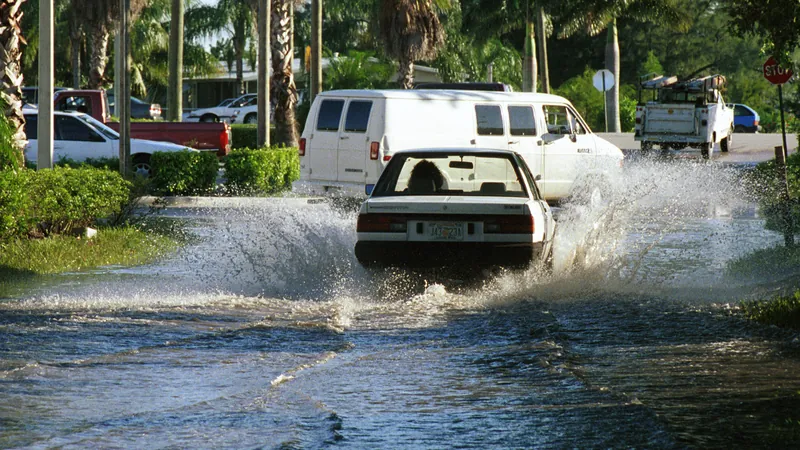
Pompano Beach gets water from every direction. Waterfront blocks along the ocean, the Intracoastal and the canals face storm surge and high tides, and inland streets can flood when heavy rain stalls over Broward County. The City of Pompano Beach notes that more than 32 percent of its buildings are in FEMA's high-risk flood areas and that the whole city can be considered flood prone, because the Pompano Canal and Cypress Creek Canal also carry stormwater from upstream cities and rise during big storms. On April 12, 2023, record rain led the National Weather Service in Miami to issue its first ever Flash Flood Emergency for Broward County. And plenty of water damage here has nothing to do with weather: a burst supply line or a clogged AC drain can flood a condo in an afternoon. Here is what to do first and where to find official help.
1. Stay safe first
- Do not drive or walk through flooded streets. Water can hide open drains, swales and debris, and only a little moving water can float a car. The National Weather Service rule is simple: Turn Around, Don't Drown.
- If water reached outlets, appliances or the electrical panel, stay out of the water and do not touch anything electrical. Have the power shut off by your electric provider or an electrician before you go back in.
- If you smell gas, leave and call 911 or the gas company from outside.
- Treat floodwater as contaminated. The Florida Department of Health in Broward County advises washing well after contact, keeping children out of floodwater and getting medical care if a cut becomes red or swollen.
- If you are on a septic system and the drains are slow, use as little water as you can until the ground dries.
2. Official emergency resources for Pompano Beach
Shelters, road closures and debris pickup change quickly after a big storm. Check these official sources first:
- Broward County Emergency Management (broward.org/Emergency): countywide storm updates, evacuation zones and shelters. The county's emergency hotline is 311 or (954) 831-4000.
- AlertBroward: the county's emergency notification system for hurricanes, evacuations, curfews and shelter openings. Text ALERTBROWARD to 888777 or sign up through the county's emergency management site.
- City of Pompano Beach Emergency Management (pompanobeachfl.gov): city storm information, evacuation zones and shelters, and Alert Pompano Beach, the city's emergency notifications. The city says residents are added automatically, and non-residents can sign up.
- City flood information (Pompano Beach flood information): the city's flood hazard brochure, flood zone lookup and an explanation of canal, tidal, heavy-rain and coastal flooding.
- National Weather Service Miami (weather.gov/mfl): flood watches, flash flood warnings and coastal flood advisories for Broward County.
- FEMA Flood Map Service Center (msc.fema.gov): the official flood zone for your address. FEMA individual assistance is only open when a federal disaster declaration covers Broward County, as it did after the April 2023 flood; DisasterAssistance.gov shows what is available.
Know your evacuation zone before a hurricane. The city's evacuation page says Category 1 and 2 storms bring mandatory evacuation east of the Intracoastal Waterway and for all mobile home parks, and Category 3 or stronger storms extend it east of U.S. 1 (Federal Highway). Evacuations are for storm surge, so always follow the latest county order.
3. Burst pipe, water heater or AC leak: stop the water
- Close the main water shutoff for the house, or the shutoff for your condo unit. For a single fixture, close its valve under the sink, behind the toilet or at the water heater.
- Cut power to wet areas at the breaker panel if you can reach it from a dry spot.
- AC leaks: turn the system off at the thermostat, check the drain pan and the float switch, and clear the condensate line if you know how. A clogged drain line is one of the most common leaks in South Florida homes. See the AC drain line leak guide.
- Condos: tell building management right away and check the units below and beside yours. Water travels through ceilings and walls, and who pays depends on where the leak started and your association documents. See who pays for a condo leak in Florida.
- Move belongings out of the water and onto a dry floor, and photograph the failed pipe, hose or part before anyone throws it away.
More detail: burst pipe: what to do in the first hour and water heater burst or leaking.
4. Document the damage and report the claim
- Photograph and video every wet room before cleanup: the waterline on walls, floors, cabinets, furniture, appliances and the outside of the building.
- Write down when the water came in and where it came from. Rising water from streets, canals, tides or surge is flood, covered only by a flood policy (NFIP or private). Wind damage that lets rain in and sudden pipe or appliance leaks are usually homeowners or HO-6 claims; long, slow leaks are often excluded. See flood vs water damage claims.
- Save receipts for fans, dehumidifiers, cleaning supplies and anything else you buy to limit the damage, and ask your insurer what you may remove before the adjuster visits. The Florida water damage claim guide walks through the steps.
5. Storm damage and flood cleanup, step by step
- Gear up. Rubber boots, waterproof gloves, eye protection and an N95 mask.
- Get the water out. Pump or wet-vac standing water, then remove mud and debris while it is still wet.
- Remove what cannot be saved. Carpet and pad, mattresses, upholstered furniture and particleboard soaked by floodwater usually have to go. Photograph them before they go to the curb.
- Open the walls. Drywall and insulation that soaked up floodwater usually need to be cut out above the waterline.
- Clean and disinfect hard surfaces the water touched. Never mix bleach with ammonia or other cleaners.
- Dry, then check. Run dehumidifiers and fans with the windows closed, since South Florida air is humid. Make sure framing and subfloor are dry before anything is closed up, and do not restart AC equipment that sat in floodwater until it has been checked.
- Storm damage outside. Tarp roof openings only when the storm has passed and it is safe, and photograph damage before and after. Our roof leak during a hurricane guide covers what to do inside.
The EPA advises drying wet materials within 24 to 48 hours to help prevent mold. The first 24 hours after water damage checklist covers the order, and the water damage restoration overview explains what professional drying involves.
Pompano Beach homes: what to check
- Beachfront and Intracoastal condos. Check ground-floor units, lobbies, parking levels and storage rooms after any surge or heavy rain, and report leaks from other units to management in writing.
- Canal-front homes. Look for water around seawalls, docks and the low side of the yard, and photograph any damage before repairs.
- Older block homes inland. Aging supply lines, water heaters and AC drain lines are common leak sources. Water under tile or behind baseboards can linger after the floor looks dry.
- Saltwater on equipment. Salt keeps corroding wiring, AC condensers and pool equipment after the water drains, so have them checked before you turn them back on.
- Drains and swales. Keep storm drains and swales clear of leaves and clippings. The city says dumping yard waste into canals or storm drains is against city rules and asks residents to report it to Public Works.
For how flood risk works across the state, see Florida flood risk: storm surge and heavy rain.
When to call for help
Call if floodwater or a burst pipe soaked walls, floors or cabinets, if water spread between condo units, if the AC system or electrical equipment got wet, or if the cleanup is more than you can safely handle. If you want a professional to take over, call (813) 574-3203 to be connected with a local water damage restoration company. The call is free; any work is agreed directly with the company.
See our Pompano Beach water damage page for local risks and storm history, plus nearby Fort Lauderdale, Boca Raton, Delray Beach and Hollywood. If mold shows up after the water, read the mold remediation guide and how fast mold grows after a leak in Florida.
Sources: City of Pompano Beach Emergency Management, Evacuation Zones and Shelters, Alert Pompano Beach and Flood Information pages; Broward County Emergency Management and AlertBroward; Florida Department of Health in Broward County flood safety guidance (via the city); State of Florida April 25, 2023 disaster declaration request and FEMA DR-4709 (Broward County, April 12–14, 2023); National Weather Service Miami, and Turn Around Don't Drown; U.S. EPA mold guidance; FEMA NFIP and Flood Map Service Center. Photo: car driving through a flooded palm-lined street in Broward County after Hurricane Irene, October 20, 1999, FEMA, public domain, via Wikimedia Commons, cropped.

General information, not legal or insurance advice. Check your policy and official sources.
Frequently asked questions
What should I do first after flooding or water damage in Pompano Beach?
Stay out of floodwater and away from wet outlets, stop the water at the main shutoff if it is a pipe or appliance, have the power shut off if water reached electrical outlets, photograph everything, report the claim to the right policy, then remove water and wet materials and start drying within 24 to 48 hours.
Where can I find flood emergency resources for Pompano Beach?
Broward County Emergency Management posts countywide updates, evacuation zones and shelters, and runs AlertBroward (text ALERTBROWARD to 888777). The City of Pompano Beach posts local storm information and sends Alert Pompano Beach notifications, and the National Weather Service in Miami issues flood watches and warnings for Broward County.
What happened in the April 2023 Broward County flood?
On April 12, 2023, the National Weather Service in Miami issued its first Flash Flood Emergency for Broward County after 25.91 inches of rain was measured at Fort Lauderdale-Hollywood International Airport. A federal disaster declaration (DR-4709) followed, with individual assistance for Broward County.
What should I do about a burst pipe in my Pompano Beach home or condo?
Close the main water shutoff or your unit's shutoff, cut power to wet areas if you can do it from a dry spot, move belongings out of the water and photograph the damage and the failed pipe. In a condo, notify building management right away and check the units around yours. A sudden burst pipe is usually a homeowners or HO-6 claim.
What should I do if my AC is leaking water?
Turn the system off at the thermostat, soak up the water and check the drain pan, float switch and condensate line. A clogged drain line is a common cause in South Florida. Dry wet drywall, baseboards and flooring quickly, and photograph the damage for your insurer.
Is storm flooding in Pompano Beach covered by homeowners insurance?
Rising water from streets, canals, tides or storm surge is flood and is covered only by a flood insurance policy (NFIP or private). Wind damage that lets rain in and sudden pipe or appliance leaks are usually homeowners or condo policy claims, and named storms often carry a separate hurricane deductible.
Who has to evacuate in Pompano Beach during a hurricane?
Per the city's evacuation page, Category 1 and 2 storms bring mandatory evacuation east of the Intracoastal Waterway and for all mobile home parks, and Category 3 or stronger storms extend it east of U.S. 1 (Federal Highway). Always follow the latest Broward County order.
More guides
- The first 24 hours after water damage
- How a Florida water damage insurance claim works
- What affects the cost of water damage restoration
- How to choose a water damage restoration company
- Does homeowners insurance cover water damage in Florida?
- Flood vs. water damage claims in Florida (NFIP explained)
- Mold after a hurricane: a Florida homeowner's guide
- Water heater burst or leaking: what to do right now
- Ceiling leaking after rain: what to do
- Washing machine flooded the floor: what to do
- AC drain line leaking: stop the water damage
- Slab leak signs in Florida homes
- Burst pipe: what to do in the first hour
- Sewage backup: cleanup safety and what to do
- Roof leak during a hurricane or tropical storm
- Emergency Mold Removal in Florida: What to Do Right Now
- Flooded House After a Storm in Tallahassee: First Steps
- Water Damage in Clearwater, FL: What to Do First
- Water Damage in Daytona Beach, FL: First Steps for Homeowners
- Flooding in Palm Bay, FL: What to Do First
- Flood Cleanup in St. Petersburg, FL: First Steps for Homeowners
- Flood Damage in Ocala, FL: Cleanup and Repair First Steps
- Emergency Flood and Storm Cleanup in Punta Gorda, FL: What to Do First
- Flood in St. Augustine, FL: What to Do First and Where to Find Emergency Resources
- Water Damage in Your Florida Home? Start Here
- Condo Leak in Florida: Who Pays, the Owner or the Association?
- Mold After an Everyday Leak: How Fast It Starts in a Florida Home
- Water Damage Checklist for Florida Renters
- A Simple Leak Prevention Checklist for Florida Homes
- Florida Flood Risk Explained: Storm Surge, Heavy Rain and What You Can Check
- A Leak Response Plan for Florida HOA and Condo Boards
- Florida Hurricane Prep Checklist for Water Damage