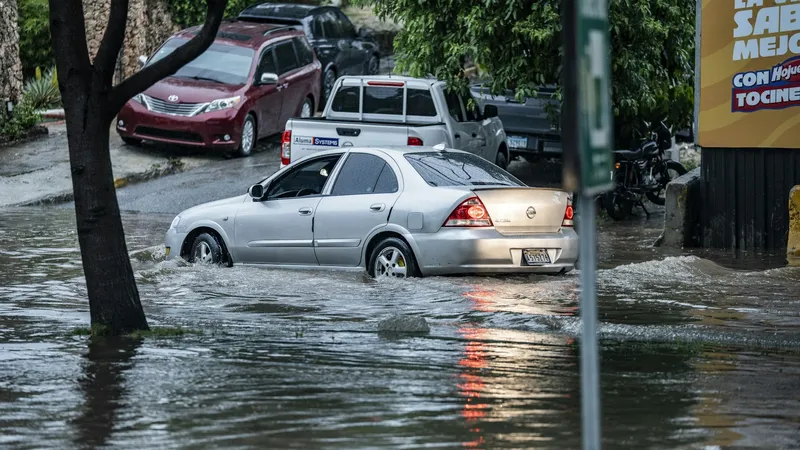
Florida is low, flat and surrounded by water on three sides. Flooding is part of life here. But not all flooding is the same, and the type of flood matters for safety and for insurance.
Here's a plain look at the main kinds, and how to check your own risk.
Storm surge
Storm surge is seawater that a storm pushes onto land. It can rise fast and move with a lot of force. It can reach homes that are far from the beach, especially along bays and rivers.
The National Weather Service and the National Hurricane Center put out storm surge watches and warnings. If officials tell you to evacuate, go.
Heavy rain
You don't need a hurricane to flood. Heavy rain can fill streets, yards and low spots fast. Slow-moving storms can drop a lot of rain on one place.
This kind of flooding can happen far from the coast. It can also happen in neighborhoods that don't usually flood.
Rivers and lakes
Rivers and lakes can rise after days of rain, and stay high for a while. Homes near them can flood even after the rain stops.
The safety rule that matters most
The National Weather Service says: Turn Around, Don't Drown. Don't walk or drive through floodwater. You can't tell how deep it is or how fast it's moving. Just a little moving water can knock you down or carry a car away.
How to check your flood risk
FEMA flood maps. FEMA's Flood Map Service Center (msc.fema.gov) lets you type in your address and see your flood zone. High-risk areas are called Special Flood Hazard Areas.
Your county. Many Florida counties have their own flood and evacuation zone maps. Your county emergency management office is a good place to start.
Know your evacuation zone. The Florida Division of Emergency Management (floridadisaster.org) links to evacuation zone lookups. Your evacuation zone and flood zone are not the same thing. Check both.
Flood zones don't tell the whole story
A low-risk zone doesn't mean no risk. FEMA says floods can happen anywhere, including outside high-risk zones.
That's why I'd look at flood insurance even if your lender doesn't require it.
Why flood insurance is separate
FEMA says most homeowners policies don't cover flood damage. Flood coverage is a separate policy. You can get it through the National Flood Insurance Program (NFIP) or from a private insurer.
This catches a lot of people off guard. Water from a burst pipe and water from a storm surge are handled very differently. My guide on flood vs. water damage claims explains the difference.
Simple ways to lower your risk
- Keep storm drains near your home clear of leaves and trash.
- Make sure the ground slopes away from your house.
- Keep gutters and downspouts clear, and point downspouts away from the house.
- Store important papers and valuables up high, or in waterproof containers.
- Take photos of your home and belongings now, before anything happens.
If your home floods
Stay out until it's safe. Treat floodwater as dirty. The CDC advises wearing rubber boots and gloves during cleanup and keeping kids and pets away.
Then document, report and dry out. My first 24 hours guide walks through it.
Need help now?
This is general information, not insurance advice. Talk to your agent about your own coverage.
Sources
General information, not legal or insurance advice. Check your policy and official sources.
Frequently asked questions
What is storm surge?
It's seawater pushed onto land by a storm. It can rise fast and is very dangerous. Follow evacuation orders.
How do I find my flood zone?
Type your address into FEMA's Flood Map Service Center at msc.fema.gov. Your county may also have local maps.
Is my evacuation zone the same as my flood zone?
No. They are different maps for different purposes. Check both.
Do I need flood insurance outside a high-risk zone?
It's worth considering. FEMA says floods can happen anywhere, and most homeowners policies don't cover flood damage.
More guides
- The first 24 hours after water damage
- How a Florida water damage insurance claim works
- What affects the cost of water damage restoration
- How to choose a water damage restoration company
- Does homeowners insurance cover water damage in Florida?
- Flood vs. water damage claims in Florida (NFIP explained)
- Mold after a hurricane: a Florida homeowner's guide
- Water heater burst or leaking: what to do right now
- Ceiling leaking after rain: what to do
- Washing machine flooded the floor: what to do
- AC drain line leaking: stop the water damage
- Slab leak signs in Florida homes
- Burst pipe: what to do in the first hour
- Sewage backup: cleanup safety and what to do
- Roof leak during a hurricane or tropical storm
- Emergency Mold Removal in Florida: What to Do Right Now
- Flooded House After a Storm in Tallahassee: First Steps
- Water Damage in Clearwater, FL: What to Do First
- Water Damage in Daytona Beach, FL: First Steps for Homeowners
- Flooding in Palm Bay, FL: What to Do First
- Flood Cleanup in St. Petersburg, FL: First Steps for Homeowners
- Flood Damage in Ocala, FL: Cleanup and Repair First Steps
- Emergency Flood and Storm Cleanup in Punta Gorda, FL: What to Do First
- Flood in St. Augustine, FL: What to Do First and Where to Find Emergency Resources
- Flood or Water Damage in Pompano Beach, FL: Emergency Resources and First Steps
- Water Damage in Your Florida Home? Start Here
- Condo Leak in Florida: Who Pays, the Owner or the Association?
- Mold After an Everyday Leak: How Fast It Starts in a Florida Home
- Water Damage Checklist for Florida Renters
- A Simple Leak Prevention Checklist for Florida Homes
- A Leak Response Plan for Florida HOA and Condo Boards
- Florida Hurricane Prep Checklist for Water Damage