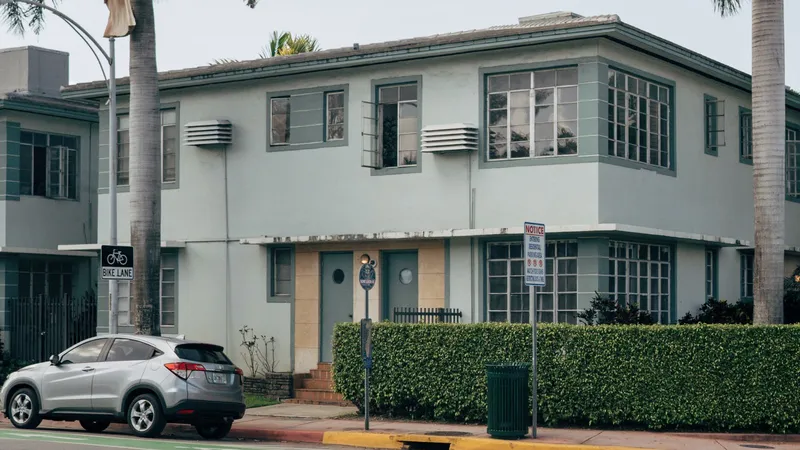
When a leak happens in a community, residents look to the board. Who do they call? Who shuts off the water? Who pays?
A board can't stop every leak. But it can make the first hour less confusing. This page is a simple plan any board can adapt. It's written for volunteer board members, not experts.
Start with your documents
Every community is different. Your declaration, bylaws and rules say who maintains and repairs what. Read those sections before you write anything for owners.
For condos, Florida Statute 718.111(11) also covers insurance. In short, the association's policy covers the property as first built, but leaves out certain items inside a unit that serve only that unit, like flooring, cabinets, appliances and water heaters. Those are generally the owner's responsibility.
Homeowners associations (HOAs) for single-family homes are governed by Chapter 720 of the Florida Statutes, and owners usually handle more of their own homes. Check your own documents to see what the association covers.
If anything is unclear, ask the association's lawyer. Don't guess when money and responsibility are involved.
Step 1: One number to call
Residents need one clear contact for leaks, day or night. That might be the management company's after-hours line or an on-call board member.
Put it everywhere:
- The community website or portal
- Mailroom and elevator notices
- New owner welcome packets
- A yearly email before storm season
Step 2: Map the shutoffs
In many condos, a leak in one unit can't be stopped without shutting off water to a riser (a pipe that serves a stack of units) or a whole building.
Make a simple map that shows:
- Where each building's main shutoff is
- Where riser or floor shutoffs are, if you have them
- Who has keys to any locked rooms
Keep copies with the manager, the board and maintenance staff.
Step 3: Remind owners about their own shutoffs
Many owners don't know where their unit's shutoff is. A short reminder helps. Ask owners to find it, test it and show everyone in the home.
Step 4: Send seasonal reminders
A few short reminders a year can prevent leaks:
-Before summer:** clear AC drain lines. In Florida, clogged lines are a common cause of leaks. You can link owners to this AC drain guide. -Before hurricane season:** check windows and doors, and review what to do if water gets in. -Anytime:** check washing machine hoses and water heaters.
Step 5: A first-hour sheet for residents
Give every owner a one-page sheet. Keep it short:
- Stay safe. Stay out of water near outlets or cords.
- Stop the water if you can.
- Call the leak contact number.
- Warn the neighbor below and beside you.
- Take photos before cleaning.
- Call your own insurance company.
- Don't open walls or ceilings until the association says it's okay.
Step 6: Keep good records
When a leak is reported, write down:
- When the call came in
- Which units are affected
- What was done and when
- Photos of the damage
- Who was contacted
Clear records help when insurance companies and owners have questions later.
Step 7: Move fast on drying
The EPA says that drying wet materials within 24 to 48 hours usually keeps mold from growing. In a building, that can mean coordinating several units at once. Decide ahead of time who makes that call.
Step 8: Vet vendors ahead of time
It's easier to choose help before an emergency. When you look at vendors:
- Check licenses at myfloridalicense.com, the state's official lookup.
- Get the scope and price in writing.
- Read contracts carefully before the board signs.
Step 9: Report claims on time
Florida law says property insurance claims must be reported within one year after the date of loss. Your policy may have its own rules too. Report promptly so time doesn't become an issue.
A note on communication
Owners often hear about a leak from a neighbor first. A short, calm message from the board saying what happened and what comes next can head off a lot of worry.
For owners' own first steps, you can point them to my first 24 hours guide or my condo leak guide.
Need help now?
This is general information, not legal or insurance advice. Your governing documents and the association's lawyer and insurer control what applies.
Sources
General information, not legal or insurance advice. Check your policy and official sources.
Frequently asked questions
Who is responsible for a leak in a Florida condo?
It depends on your declaration and Florida Statute 718.111(11). In general, the association's policy covers the property as first built, while owners cover items like flooring, cabinets and appliances in their units.
What should a board do before a leak happens?
Set up one leak contact number, map shutoff valves, send seasonal reminders and give owners a simple first-hour sheet.
Do HOAs and condo associations follow the same law?
No. Condos fall under Chapter 718 of the Florida Statutes. HOAs for single-family homes fall under Chapter 720.
How fast should drying start?
The EPA says drying within 24 to 48 hours usually keeps mold from growing.
More guides
- The first 24 hours after water damage
- How a Florida water damage insurance claim works
- What affects the cost of water damage restoration
- How to choose a water damage restoration company
- Does homeowners insurance cover water damage in Florida?
- Flood vs. water damage claims in Florida (NFIP explained)
- Mold after a hurricane: a Florida homeowner's guide
- Water heater burst or leaking: what to do right now
- Ceiling leaking after rain: what to do
- Washing machine flooded the floor: what to do
- AC drain line leaking: stop the water damage
- Slab leak signs in Florida homes
- Burst pipe: what to do in the first hour
- Sewage backup: cleanup safety and what to do
- Roof leak during a hurricane or tropical storm
- Emergency Mold Removal in Florida: What to Do Right Now
- Flooded House After a Storm in Tallahassee: First Steps
- Water Damage in Clearwater, FL: What to Do First
- Water Damage in Daytona Beach, FL: First Steps for Homeowners
- Flooding in Palm Bay, FL: What to Do First
- Flood Cleanup in St. Petersburg, FL: First Steps for Homeowners
- Flood Damage in Ocala, FL: Cleanup and Repair First Steps
- Emergency Flood and Storm Cleanup in Punta Gorda, FL: What to Do First
- Flood in St. Augustine, FL: What to Do First and Where to Find Emergency Resources
- Flood or Water Damage in Pompano Beach, FL: Emergency Resources and First Steps
- Water Damage in Your Florida Home? Start Here
- Condo Leak in Florida: Who Pays, the Owner or the Association?
- Mold After an Everyday Leak: How Fast It Starts in a Florida Home
- Water Damage Checklist for Florida Renters
- A Simple Leak Prevention Checklist for Florida Homes
- Florida Flood Risk Explained: Storm Surge, Heavy Rain and What You Can Check
- Florida Hurricane Prep Checklist for Water Damage