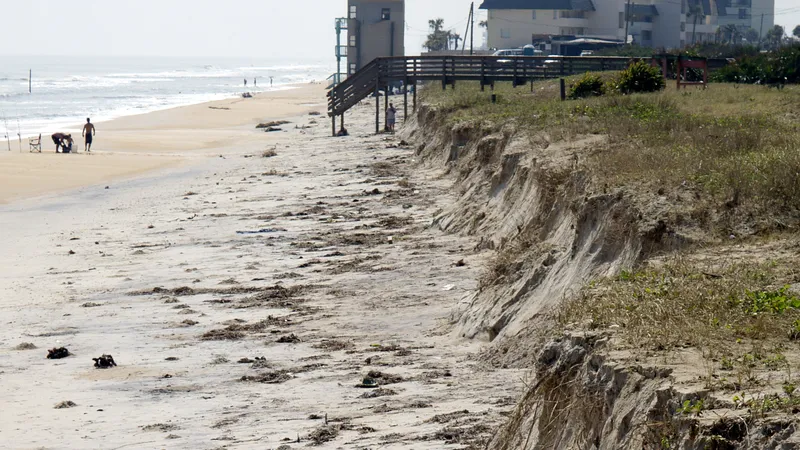
In Daytona Beach, water damage comes from the ocean side and the sky. Beachside condos face surge, erosion and wind-driven rain, while mainland neighborhoods can flood from heavy rain alone. Hurricane Ian (2022) dropped about 21.5 inches of rain on Daytona Beach, according to the National Hurricane Center, and flooded mainland neighborhoods such as Midtown far from the beach. Weeks later, Hurricane Nicole's surge eroded the Volusia County shoreline so badly that oceanfront buildings were declared unsafe. This guide covers what to do if water got into your home in Daytona Beach, Daytona Beach Shores, South Daytona or elsewhere in Volusia County.
1. Safety first
- Never drive or walk through flooded streets. Rain flooding on the mainland can rise fast and hide open drains and debris.
- If water reached outlets, appliances or the electrical panel, do not touch them. Have the power shut off by your electric provider or an electrician first.
- In a beachside building, follow any instructions from the building, the city or Volusia County about entering after a storm, especially if a seawall, pool deck or foundation was undermined by erosion.
- Floodwater is contaminated. Wear boots and gloves, and wash your hands often.
2. Stop the water
- Roof leak: put a bucket on a towel under the drip, move belongings away and keep people out from under a sagging ceiling. Stay off the roof until the storm has passed. Our roof leak during a hurricane guide covers the rest.
- Windows and sliding doors: in oceanfront units, wind-driven rain often gets past sliders and window frames. Towel the tracks, move furniture back and photograph where the water came in.
- Plumbing: close the main water shutoff, or the shutoff inside your condo unit, for a burst pipe, water heater or appliance leak.
- Water from another unit: report it to the association or property manager right away.
3. Document before cleanup
- Take photos and video of every wet room, the waterline on walls, damaged flooring, furniture and the outside of the building.
- Note the date and time and how the water got in: rising water, rain through the roof, rain through windows or doors, or a pipe or appliance. Insurance treats each one differently.
- Keep receipts for tarps, fans, dehumidifiers and anything you buy to limit the damage.
4. Report the claim
- Rising water from rain flooding or surge is flood, covered only by a flood policy (NFIP or private). See flood vs water damage claims.
- Wind damage that lets rain in, and sudden pipe or appliance leaks, are usually homeowners or condo (HO-6) claims. Named storms often carry a separate hurricane deductible.
- Condo owners: the association's master policy and your HO-6 split the coverage, and your condo documents decide who handles drywall, flooring and cabinets. See who pays for a condo leak in Florida.
Step by step: how a Florida water damage claim works.
5. Dry out within 24 to 48 hours
Remove standing water, move wet belongings out and get air moving with the AC, fans and a dehumidifier. The EPA advises drying wet materials within 24 to 48 hours to help prevent mold. Drywall, insulation and carpet pad soaked by floodwater usually need to be removed. Do not run a central AC system that was underwater until it has been checked. The first 24 hours checklist covers the order.
Mold already showing? Read the mold remediation guide and mold after a hurricane in Florida.
Beachside vs mainland: different risks
- Beachside (Daytona Beach Shores and the barrier island): surge, beach erosion and wind-driven rain. Condo leaks often travel from unit to unit and into hallways and parking levels. After a storm, also check balconies, window frames and any ground-floor units and storage rooms.
- Mainland (Daytona Beach west of the Halifax River, South Daytona and neighboring towns): heavy-rain flooding when storm drains are overwhelmed, roof leaks and plumbing failures in older block homes. Ian showed that homes miles from the ocean can take on several feet of water.
- Everywhere: AC drain lines and water heaters are common everyday leak sources. See the AC drain line and water heater guides.
Local resources
- Volusia County Emergency Management posts storm updates, shelter openings and its evacuation zone map. Evacuation levels are ordered as A, BC or DE depending on the storm.
- Evacuation zones are not flood zones. Check your FEMA flood zone separately on the FEMA Flood Map Service Center, and remember that homes outside high-risk zones can still flood in heavy rain.
- The state's Know Your Zone lookup at FloridaDisaster.org also shows your evacuation zone.
- NFIP flood policies usually have a 30-day waiting period before coverage starts, so buy well before a storm.
When to call for help
Call if water got into walls, floors or the AC system, if floodwater came inside, or if a condo leak spread to several rooms or units. If you want a professional to take over, call (813) 574-3203 to be connected with a local water damage restoration company. The call is free; any work is agreed directly with the company.
See our Daytona Beach water damage page for local risks and storm history, plus nearby St. Augustine, Orlando, Melbourne and Palm Bay. The water damage restoration overview explains the drying and repair process.
Sources: National Hurricane Center, Hurricane Ian report; NOAA Storm Events Database; Volusia County Emergency Management; Florida Division of Emergency Management, Know Your Zone; U.S. EPA mold guidance; FEMA NFIP. Photo: beach erosion below oceanfront buildings in Daytona Beach after Hurricane Jeanne (2004), by Michael Rieger, FEMA, public domain, via Wikimedia Commons, cropped.

General information, not legal or insurance advice. Check your policy and official sources.
Frequently asked questions
What should I do first after water damage in Daytona Beach?
Stay out of floodwater, keep away from wet outlets and have the power shut off if water reached them, stop the source if you can, photograph everything, report the claim, and start drying within 24 to 48 hours to limit mold.
Does Daytona Beach flood away from the ocean?
Yes. Heavy rain can overwhelm storm drains on the mainland. During Hurricane Ian in 2022, Daytona Beach received about 21.5 inches of rain (National Hurricane Center), and neighborhoods such as Midtown flooded well inland.
Is flooding in Daytona Beach Shores covered by homeowners insurance?
Surge and rising water are flood and need a flood insurance policy (NFIP or private). Wind-driven rain through a damaged roof, window or door is usually a homeowners or condo HO-6 claim, often with a separate hurricane deductible for named storms.
Who pays when water from another condo unit damages mine?
It depends on the source and your condo documents. Generally the association master policy covers the building and your HO-6 covers your unit interior and contents. Report it to the association right away and photograph the damage.
How do I find my evacuation zone in Volusia County?
Volusia County Emergency Management has an evacuation zone map, and the state Know Your Zone lookup at FloridaDisaster.org also works. Evacuation zones are different from FEMA flood zones, so check both.
What about water damage in South Daytona?
South Daytona is on the mainland along the Halifax River, so the main risks are heavy-rain flooding, roof leaks and plumbing failures. The same first steps apply: safety, stop the water, document, report and dry quickly.
More guides
- The first 24 hours after water damage
- How a Florida water damage insurance claim works
- What affects the cost of water damage restoration
- How to choose a water damage restoration company
- Does homeowners insurance cover water damage in Florida?
- Flood vs. water damage claims in Florida (NFIP explained)
- Mold after a hurricane: a Florida homeowner's guide
- Water heater burst or leaking: what to do right now
- Ceiling leaking after rain: what to do
- Washing machine flooded the floor: what to do
- AC drain line leaking: stop the water damage
- Slab leak signs in Florida homes
- Burst pipe: what to do in the first hour
- Sewage backup: cleanup safety and what to do
- Roof leak during a hurricane or tropical storm
- Emergency Mold Removal in Florida: What to Do Right Now
- Flooded House After a Storm in Tallahassee: First Steps
- Water Damage in Clearwater, FL: What to Do First
- Flooding in Palm Bay, FL: What to Do First
- Flood Cleanup in St. Petersburg, FL: First Steps for Homeowners
- Flood Damage in Ocala, FL: Cleanup and Repair First Steps
- Emergency Flood and Storm Cleanup in Punta Gorda, FL: What to Do First
- Flood in St. Augustine, FL: What to Do First and Where to Find Emergency Resources
- Flood or Water Damage in Pompano Beach, FL: Emergency Resources and First Steps
- Water Damage in Your Florida Home? Start Here
- Condo Leak in Florida: Who Pays, the Owner or the Association?
- Mold After an Everyday Leak: How Fast It Starts in a Florida Home
- Water Damage Checklist for Florida Renters
- A Simple Leak Prevention Checklist for Florida Homes
- Florida Flood Risk Explained: Storm Surge, Heavy Rain and What You Can Check
- A Leak Response Plan for Florida HOA and Condo Boards
- Florida Hurricane Prep Checklist for Water Damage