Most water damage starts small. A hose wears out. A drain clogs. A valve sticks. The good news is that a few simple habits catch a lot of these problems early.
This is the checklist I'd want every Florida homeowner to have. None of it takes special skills.
1. Find your main water shutoff
If you do only one thing on this list, do this.
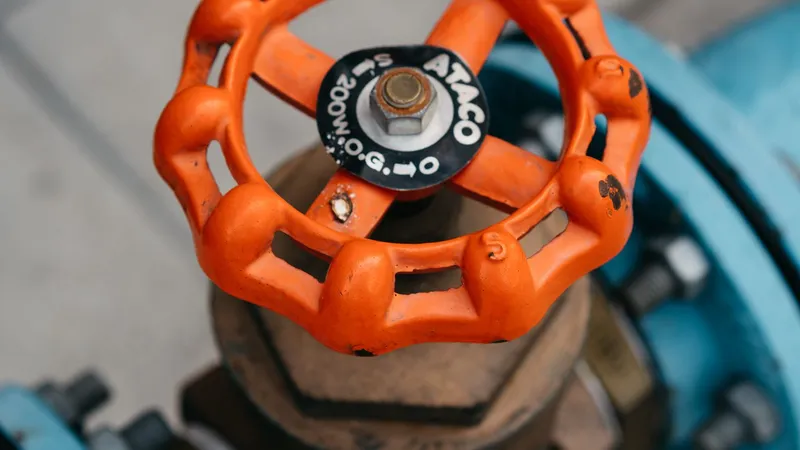
The main shutoff valve stops all water coming into your house. When a pipe bursts, every minute counts. You don't want to be searching for the valve with water on the floor.
It's often near the street, near the water heater, or where the water pipe enters the house. Some homes have one in the garage.
Once you find it:
- Make sure it turns. Old valves can get stuck.
- Put a tag or bright tape on it.
- Show everyone in the house where it is.
Also learn the small valves. Most sinks and toilets have their own shutoff behind or under them.
2. Keep your AC drain line clear
Your AC pulls water out of the air. That water drips into a pan and runs out through a small pipe called the condensate drain line. In Florida, where AC runs most of the year, that line can clog with gunk.
When it clogs, the pan can overflow. That can soak floors, walls or the ceiling below.
My AC drain line guide explains the warning signs and what to do. The short version: check the pan, watch for water around the unit, and keep the line clear.
3. Check washing machine hoses
Washing machine hoses are under pressure all the time. If one bursts, a lot of water can come out fast.
- Look at the hoses a few times a year.
- Replace them if you see cracks, bulges or rust at the ends.
- If you leave home for a while, consider turning off the valves behind the machine.
See my washing machine guide if one has already leaked.
4. Look under your sinks
Once a month or so, open the cabinets under your kitchen and bathroom sinks. Look and feel for:
- Drips or wet spots
- Water stains
- Soft or warped cabinet floors
- A musty smell
Do the same around toilets. A small drip found early is a cheap fix.
5. Watch your water heater
Water heaters wear out. When they fail, they can leak a lot of water.
- Look around the base for drips or rust.
- Listen for new popping or rumbling sounds.
- Know how to shut off the cold water supply valve that feeds it.
6. Check the roof and gutters
After big storms, look at your ceilings for new stains. From the ground, look for missing or damaged shingles.
The EPA suggests keeping gutters clean and in good repair, and making sure the ground slopes away from the house so water doesn't collect near the foundation.
7. Control indoor humidity
In Florida, the air itself carries a lot of water. The EPA suggests keeping indoor humidity below 60 percent, ideally between 30 and 50 percent. A cheap humidity meter (called a hygrometer) can tell you where you stand.
Use bathroom fans during showers and the kitchen fan when cooking.
8. Watch for slow leaks
Some leaks hide under the floor. In Florida, many homes sit on concrete slabs, and pipes can leak under them. Signs include a water bill that jumps for no reason, warm spots on the floor, or the sound of running water when nothing is on. See my slab leak guide.
9. Before you travel
- Consider turning off the main water.
- Leave the AC set to keep humidity under control.
- Ask a neighbor to check on the house after storms.
My quick monthly list
- [ ] Look under sinks and around toilets
- [ ] Check the AC drain pan and around the indoor unit
- [ ] Look around the water heater
- [ ] Glance at ceilings for new stains
A few times a year
- [ ] Check washing machine hoses
- [ ] Test the main shutoff
- [ ] Clean gutters
- [ ] Check humidity levels
Need help now?
If you already have a leak, call us for help finding local help.
Sources
General information, not legal or insurance advice. Check your policy and official sources.
Frequently asked questions
What's the most important leak prevention step?
Know where your main water shutoff is and make sure it works. It lets you stop a leak in seconds.
How often should I check my AC drain line?
In Florida, where AC runs most of the year, it's worth checking the drain pan and the area around the unit regularly. My AC drain guide has the warning signs.
What indoor humidity should I aim for?
The EPA suggests keeping it below 60 percent, ideally between 30 and 50 percent.
How do I know if I have a hidden leak?
Watch for a sudden jump in your water bill, musty smells, stains, or warm or damp spots on the floor.
More guides
- The first 24 hours after water damage
- How a Florida water damage insurance claim works
- What affects the cost of water damage restoration
- How to choose a water damage restoration company
- Does homeowners insurance cover water damage in Florida?
- Flood vs. water damage claims in Florida (NFIP explained)
- Mold after a hurricane: a Florida homeowner's guide
- Water heater burst or leaking: what to do right now
- Ceiling leaking after rain: what to do
- Washing machine flooded the floor: what to do
- AC drain line leaking: stop the water damage
- Slab leak signs in Florida homes
- Burst pipe: what to do in the first hour
- Sewage backup: cleanup safety and what to do
- Roof leak during a hurricane or tropical storm
- Emergency Mold Removal in Florida: What to Do Right Now
- Flooded House After a Storm in Tallahassee: First Steps
- Water Damage in Clearwater, FL: What to Do First
- Water Damage in Daytona Beach, FL: First Steps for Homeowners
- Flooding in Palm Bay, FL: What to Do First
- Flood Cleanup in St. Petersburg, FL: First Steps for Homeowners
- Flood Damage in Ocala, FL: Cleanup and Repair First Steps
- Emergency Flood and Storm Cleanup in Punta Gorda, FL: What to Do First
- Flood in St. Augustine, FL: What to Do First and Where to Find Emergency Resources
- Flood or Water Damage in Pompano Beach, FL: Emergency Resources and First Steps
- Water Damage in Your Florida Home? Start Here
- Condo Leak in Florida: Who Pays, the Owner or the Association?
- Mold After an Everyday Leak: How Fast It Starts in a Florida Home
- Water Damage Checklist for Florida Renters
- Florida Flood Risk Explained: Storm Surge, Heavy Rain and What You Can Check
- A Leak Response Plan for Florida HOA and Condo Boards
- Florida Hurricane Prep Checklist for Water Damage