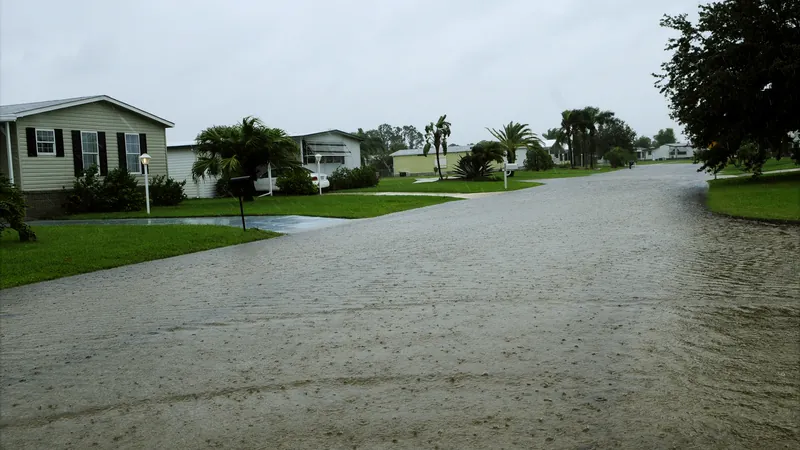
Palm Bay is used to heavy rain, but early November 2026 showed how quickly it can turn into a flood. Over November 1 and 2, the National Weather Service measured roughly 20 inches of rain in Palm Bay, with even higher totals in nearby Malabar and Grant-Valkaria, and called it a 1-in-1,000-year rainfall event. Swales, canals and streets overflowed, some neighborhoods were cut off, and water got into homes across the city. It has happened before: Tropical Storm Fay stalled over Brevard County in August 2008 and pushed water into hundreds of homes. If water got into your house, here is what to do first, in order.
1. Stay safe while the water is still around
- Do not drive or walk through flooded streets, even when the water looks shallow or is going down. It can hide washed-out pavement, open culverts, drainage ditches and debris. The National Weather Service puts it simply: Turn Around, Don't Drown.
- If water reached outlets, appliances or the electrical panel, stay out of the water and do not touch anything electrical. Have the power shut off by your electric provider or an electrician before you go back in.
- If you smell gas, leave and call 911 or the gas company from outside.
- Treat floodwater as contaminated. Wear rubber boots and waterproof gloves, keep children and pets away, and wash your hands often.
- Follow any boil water notice for your area before drinking tap water.
- On a septic system, saturated ground can make drains and toilets back up. If they gurgle or overflow, stop using water and read our sewage backup safety guide.
2. Check official flood and emergency information
Road closures, shelters, utility notices and debris pickup change day to day after a big rain. Get them from official sources rather than social media:
- City of Palm Bay (palmbayfl.gov): city updates, road and utility notices, permits and debris pickup inside city limits.
- Brevard County Emergency Management (brevardfl.gov/EmergencyManagement): county emergency updates, shelters, cleanup programs and AlertBrevard notifications. For help with shelters, food and cleanup, the county also points residents to the 2-1-1 Community Information Hotline.
- National Weather Service Melbourne (weather.gov/mlb): flood watches, flash flood warnings and river forecasts for Brevard County, including the St. Johns River west of I-95.
- FEMA Flood Map Service Center (msc.fema.gov): the official flood zone for your address.
Not every Palm Bay mailing address is inside Palm Bay city limits. Malabar and Grant-Valkaria are separate towns, and some nearby areas are unincorporated Brevard County, so check which government handles your street before you plan on debris pickup or apply for permits.
3. Document everything before you clean
- Photograph and video every room before moving anything: the waterline on walls, floors, furniture, appliances, the AC air handler, and the outside of the house and yard.
- Write down when the water came in, how high it got and where it came from: rising water from the street or yard, rain through the roof, or a drain or septic backup. Insurance treats each one differently.
- Photograph damaged items before they go to the curb and keep a list. Save receipts for fans, dehumidifiers, cleaning supplies and anything else you buy to limit the damage.
4. Report the claim to the right policy
- Rising water from flooded streets, canals, swales or yards is flood, covered only by a flood insurance policy (NFIP or private), not standard homeowners insurance. See flood vs water damage claims.
- Rain through a damaged roof or window is usually a homeowners claim.
- Septic or sewer backup is often excluded unless your policy has a water backup endorsement.
Report as soon as you can and ask what you may remove before the adjuster visits. The Florida water damage claim guide walks through the steps. Without flood insurance, ask the city and county about local and state recovery help. FEMA individual assistance is only available when a federal disaster declaration covers your county; DisasterAssistance.gov shows what is open.
5. Start drying within 24 to 48 hours
Once the electrical situation is safe and everything is photographed, get the water out and the air moving. The EPA advises drying wet materials within 24 to 48 hours to help prevent mold, and Brevard humidity makes that window short.
- Remove standing water with a wet vac, pump or mops, and move wet rugs, furniture and boxes out of the house.
- Carpet and pad, mattresses and upholstered furniture soaked by floodwater usually cannot be saved.
- Drywall and insulation that soaked up floodwater usually need to be cut out above the waterline so the wall cavity can dry.
- Run fans and dehumidifiers. Do not run a central AC or air handler that sat in floodwater until it has been checked.
- Clean and disinfect hard surfaces the floodwater touched.
The first 24 hours after water damage checklist covers the order. If you already see mold or the house stayed wet for days, read how fast mold grows in Florida and our mold remediation guide.
6. Debris, permits and rebuilding
- Sort flood debris at the curb into separate piles, such as furniture and household items in one and drywall, carpet and flooring in another, away from trees, mailboxes, water meters and overhead wires. Keep paint, fuel, batteries and other hazardous items out of the piles. Your city or the county will say what is collected and when.
- Before electrical, HVAC, water heater or structural repairs, check permit rules with the City of Palm Bay (or Brevard County if you are outside city limits).
- If your home is in a FEMA high-risk flood zone and repairs cost about half or more of the building's value, it may be treated as substantially damaged and have to meet current flood rules. Ask the city before major repairs, and keep every invoice and receipt.
Palm Bay homes: what to check after a flood
- Block homes on slabs. Most Palm Bay houses are concrete block on a slab. Water sitting on the slab wicks into drywall, baseboards and cabinet bases, so check behind them even after the floor looks dry.
- Septic systems. Many homes on Palm Bay's large lots use septic. A flooded drain field may not work properly until the ground dries out, so limit water use and have the system checked if drains stay slow.
- Private wells. If a private well was covered by floodwater, do not drink from it until it has been disinfected and tested. The Florida Department of Health in Brevard County can advise on testing.
- Swales and culverts. If you can do it safely, clear debris from the swale and culvert in front of your house so the next rain can drain.
- Garages and equipment. Check water heaters, outdoor AC condensers and anything stored low in the garage.
For how flood risk works across the state, see Florida flood risk: storm surge and heavy rain.
When to call for help
Call if floodwater got into walls, floors or the AC system, if a septic or sewer backup is involved, or if the cleanup is more than you can safely handle. If you want a professional to take over, call (813) 574-3203 to be connected with a local water damage restoration company. The call is free; any work is agreed directly with the company.
See our Palm Bay water damage page for local flood risks and storm history, plus nearby Melbourne, Port St. Lucie, Orlando and Daytona Beach. The water damage restoration overview explains what the drying and repair process involves.
Sources: National Weather Service Melbourne rainfall reports (November 2026); Brevard County Emergency Management; City of Palm Bay; National Weather Service, Turn Around Don't Drown; U.S. EPA mold guidance; FEMA NFIP and Flood Map Service Center. Photo: flooded street in Palm Bay during Tropical Storm Fay, August 20, 2008, by Barry Bahler, FEMA, public domain, via Wikimedia Commons, cropped.

General information, not legal or insurance advice. Check your policy and official sources.
Frequently asked questions
What should I do first if my house flooded in Palm Bay?
Stay out of floodwater, keep away from wet outlets and have the power shut off if water reached them, photograph everything before cleanup, report the claim to the right policy, and start drying within 24 to 48 hours to limit mold.
How much rain fell in Palm Bay in November 2026?
The National Weather Service reported roughly 20 inches in Palm Bay over November 1 and 2, 2026, with higher totals in nearby Malabar and Grant-Valkaria, and described it as a 1-in-1,000-year rainfall event. Totals vary by gauge and by report.
Where can I find official flood and emergency information for Palm Bay?
The City of Palm Bay website has city updates, road and utility notices, permits and debris pickup inside city limits. Brevard County Emergency Management posts county updates, shelters and AlertBrevard sign-up, and 2-1-1 connects residents with help. The National Weather Service in Melbourne issues flood watches and warnings, and the FEMA Flood Map Service Center shows your official flood zone.
Does homeowners insurance cover flooding in Palm Bay?
Rising water from flooded streets, canals or yards is flood and is covered only by a flood insurance policy (NFIP or private). Rain through a damaged roof or window is usually a homeowners claim, and septic or sewer backup is often excluded unless you added a water backup endorsement.
Is there FEMA help for Palm Bay flood damage?
FEMA individual assistance is only available when a federal disaster declaration covers your county. Check DisasterAssistance.gov for current declarations, and ask the City of Palm Bay and Brevard County Emergency Management about local, state and volunteer cleanup help.
How soon can mold start after a flood in Palm Bay?
The EPA advises drying wet materials within 24 to 48 hours to help prevent mold. In Brevard's humidity, flood-soaked drywall, insulation and carpet that stay wet longer than that often start growing mold.
Can I tear out wet drywall myself?
Many homeowners remove wet carpet, drywall and insulation themselves, wearing gloves, boots, eye protection and an N95 mask. Photograph everything first and check with your insurer. Electrical, HVAC, water heater and structural repairs usually need permits, so check with the city or county.
More guides
- The first 24 hours after water damage
- How a Florida water damage insurance claim works
- What affects the cost of water damage restoration
- How to choose a water damage restoration company
- Does homeowners insurance cover water damage in Florida?
- Flood vs. water damage claims in Florida (NFIP explained)
- Mold after a hurricane: a Florida homeowner's guide
- Water heater burst or leaking: what to do right now
- Ceiling leaking after rain: what to do
- Washing machine flooded the floor: what to do
- AC drain line leaking: stop the water damage
- Slab leak signs in Florida homes
- Burst pipe: what to do in the first hour
- Sewage backup: cleanup safety and what to do
- Roof leak during a hurricane or tropical storm
- Emergency Mold Removal in Florida: What to Do Right Now
- Flooded House After a Storm in Tallahassee: First Steps
- Water Damage in Clearwater, FL: What to Do First
- Water Damage in Daytona Beach, FL: First Steps for Homeowners
- Flood Cleanup in St. Petersburg, FL: First Steps for Homeowners
- Flood Damage in Ocala, FL: Cleanup and Repair First Steps
- Emergency Flood and Storm Cleanup in Punta Gorda, FL: What to Do First
- Flood in St. Augustine, FL: What to Do First and Where to Find Emergency Resources
- Flood or Water Damage in Pompano Beach, FL: Emergency Resources and First Steps
- Water Damage in Your Florida Home? Start Here
- Condo Leak in Florida: Who Pays, the Owner or the Association?
- Mold After an Everyday Leak: How Fast It Starts in a Florida Home
- Water Damage Checklist for Florida Renters
- A Simple Leak Prevention Checklist for Florida Homes
- Florida Flood Risk Explained: Storm Surge, Heavy Rain and What You Can Check
- A Leak Response Plan for Florida HOA and Condo Boards
- Florida Hurricane Prep Checklist for Water Damage